Over the past five years, China’s cross-border e-commerce trade scale has expanded by more than ten times, reaching RMB 2.71 trillion last year, representing a 14% year-on-year increase and accounting for 6.2% of China’s total import and export trade.
Among this total, imports reached RMB 555.25 billion, up 4.1% year-on-year, while exports exceeded RMB 2 trillion, increasing by 16.9% to RMB 2.15 trillion, hitting a new historical high.
The major export destinations include the United States (36.2%), the United Kingdom (11.7%), and Germany (5.7%). In terms of product categories, the main exports include apparel, bags, jewelry and accessories, digital products and components, home textiles, household tools, and office appliances and accessories.
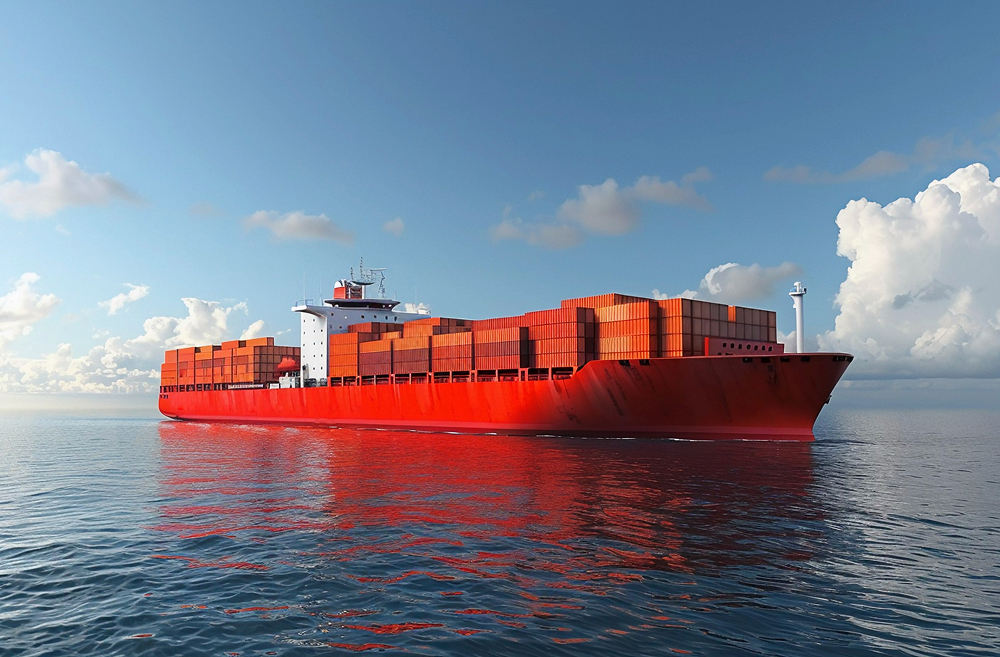
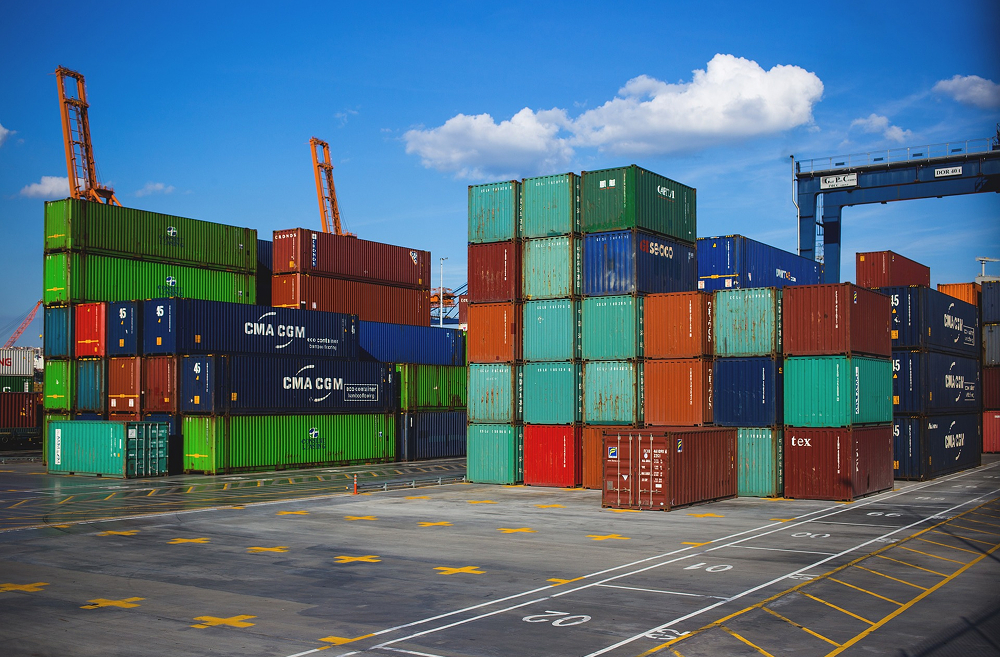
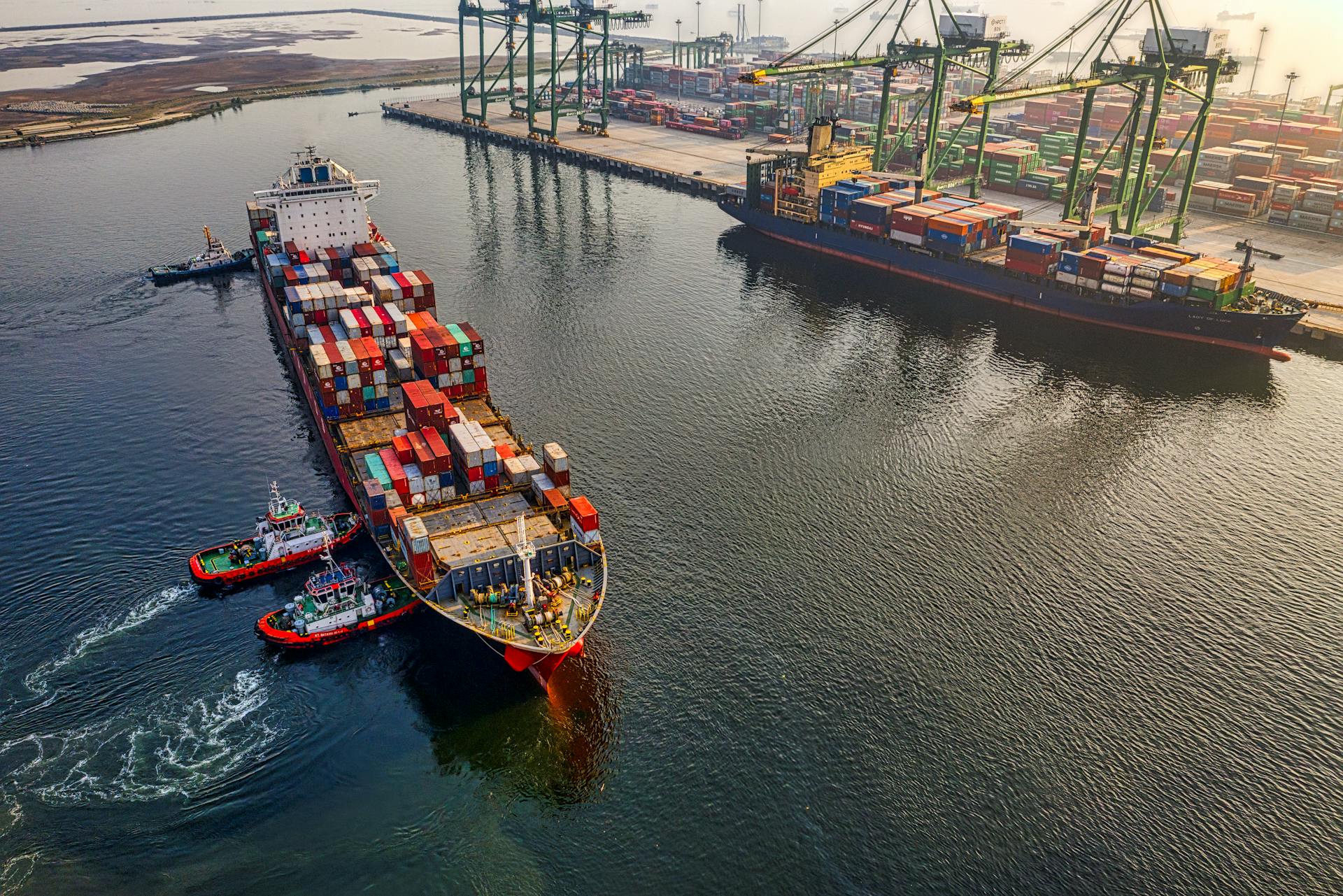
The rapid growth of cross-border e-commerce orders and market size has directly driven the development of the logistics industry. Companies providing cross-border e-commerce logistics services mainly include third-party logistics providers (both integrated and specialized logistics services) and platform-operated logistics systems.
Currently, the four major export logistics channels include:
- Postal parcels
- Dedicated logistics lines
- Overseas warehouse fulfillment
- International express delivery
According to the “2025 China Cross-Border E-commerce Logistics TOP50” report released by JiHang Consulting, the rankings are primarily based on companies’ cross-border e-commerce logistics revenue in 2024. Four companies have entered the “100 Billion Yuan Club.”